 EN
EN  FR
FR  ES
ES  KO
KO  PT
PT  ZH
ZH  AR
AR  FA
FA  RU
RU  NL
NL  MS
MS  VI
VI  PH
PH  TH
TH  ID
ID 

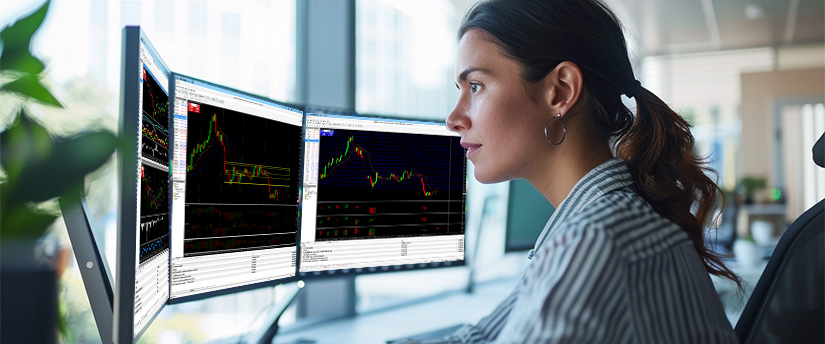
Emotions play a central role in trading, often determining whether a position results in profit or loss. In volatile markets, the ability to make smarter trading decisions depends not only on technical analysis, but also on emotional control.
Fear can cause hesitation, while greed and overconfidence can push traders to act prematurely.
Developing the right mindset allows traders to respond thoughtfully, stay disciplined, and make consistently smarter decisions.
The impact of emotions on trading decisions
Emotions play a role in every part of trading, from the decisions you make to how you deal with market swings. If you let emotions run wild, they can take over logic and make you act out of panic, excitement, or frustration instead of careful thinking.
Better trading comes from using technical knowledge together with emotional discipline, self-awareness, and a clear plan.
By paying attention to how your thoughts and emotions affect your actions, you can spot mistakes and create strategies to avoid them.
What is trading psychology?
Trading psychology is the study of how traders’ emotions and thoughts affect their decisions, behaviour, and performance in the financial markets. It looks at how emotions, cognitive biases, self-control, discipline, and mental states can affect trading results.
Biases That Prevent Smarter Trading Decisions
To develop a stronger mindset, it’s helpful to first learn about the biases that affect trading behaviour. There are two main types of bias: cognitive and emotional.
Cognitive bias refers to ways of thinking that are not always rational. These mental shortcuts can lead to bad decisions and mistakes. Cognitive biases often develop from past experiences, social influence, or limits in how people process information. They usually happen without the trader’s knowledge, and they can change how traders see information, remember details, and make decisions.
When feelings or moods affect decisions, it’s called emotional bias. Fear, greed, or excitement can all make it hard to think clearly, make you act on impulse, and make it hard to understand risk and reward. This can change the way you trade, invest, and make decisions every day.
People’s decisions are affected by both cognitive and emotional biases, especially in financial markets. Traders need to be aware of and control these biases so they can think more clearly.
Recognising these patterns is a key step in developing a disciplined trading mindset.
Cognitive biases every trader should know
Traders deal with various cognitive biases that can have a big effect on how they make decisions and how well they trade. The following are a few common cognitive biases seen in trading and investing:
- Confirmation Bias: Paying attention only to facts that support your opinions.
- Illusion of Control Bias: Overestimating your influence over market outcomes.
- Hindsight Bias: The tendency to believe that past events were more predictable than they really were.
- Availability Bias: Making decisions or judgments based on information that is easy to remember or recent experiences.
- Anchoring and Adjustment Bias: When you base many decisions or guesses on the first piece of information you find (known as the anchor).
These are just a few examples of cognitive biases that traders may face. Traders need to be aware of these biases and work to reduce their influence on decision-making.
By recognising and addressing cognitive biases, traders can enhance their objectivity, improve analytical processes, and make more rational trading decisions.
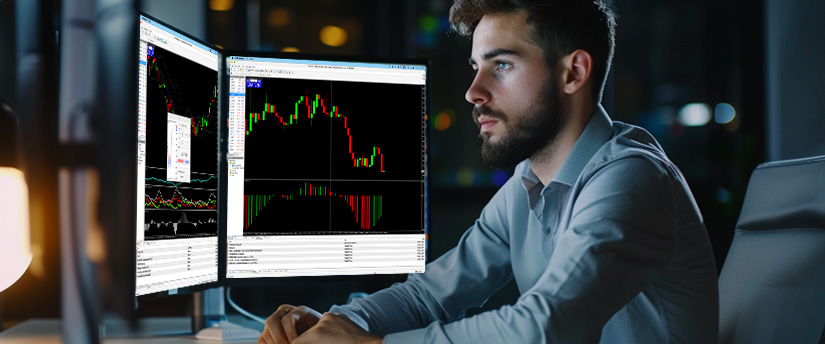
Emotional Biases
Traders are not only influenced by cognitive biases but emotional biases as well. Some common emotional biases in trading are:
- Loss Aversion Bias: Being more afraid of losing than making gains.
- Overconfidence Bias: Traders sometimes take bigger risk than they should because they overestimate their own abilities.
- Self-Control Bias: Emotions can easily influence trading decisions. You can act without thinking when you’re scared, excited, or angry. You might sell too soon if the price drops quickly, or you might make a trade without thinking about your plan. You can avoid making these mistakes If you learn to pause and stick to your plan.
- Status Quo Bias: At this point, traders stick with positions or strategies they know, even if the market show them a better way to do things.
- Regret Aversion Bias: Traders often don’t want to close a losing trade because they don’t want to feel bad about it later. This can make them hold onto poor positions for too long.
Why trading psychology matters
A trader’s mental state is important because it affects how well they make decisions and how well they do overall in the financial markets.
To make smarter trading decisions, they need to develop the right trading psychology.
Here are some reasons why trading psychology is important:
- Emotions affect decisions: Trading psychology recognises that emotional biases can affect a trader’s decisions. To make logical and objective trading decisions, you need to understand and manage these emotions so they support your strategy rather than interfere with it.
- Discipline and consistency: If you want to be an effective trader, you need to stick to your trading plans, risk management strategies, and predetermined rules. Traders learn how to control their emotions so they don’t act on impulse. This discipline forms the foundation of a strong and reliable trading mindset.
- Managing risk: Managing risk well is an important part of trading. Traders can manage their risk by keeping their emotions in check, setting the right stop-loss levels, and keeping the right position size. By managing risk well, traders protect their capital and improve long-term profits.
- Handling losses and drawdowns: Losses are a normal and unavoidable part of trading. Traders can deal with losses and drawdowns better when they know how to control their emotions and avoid acting on impulse because of the fear of losing more money. It helps traders learn from their losses and keep the right time frame for their trades.
- Long-term sustainability: Effective trading is built on consistency. A disciplined mindset lets traders set realistic goals, handle risk responsibly, and stay focused on long-term growth
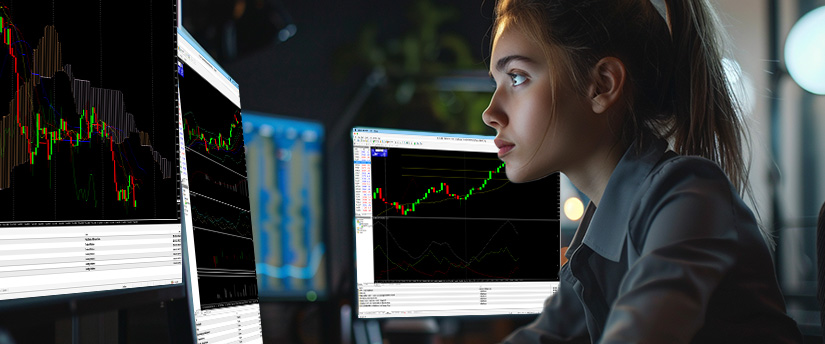
Why is trading psychology important?
Understanding trading psychology helps traders see how emotions and biases influence their decisions, build self-discipline, and stick to their plan.
Traders make more rational, strategic, and consistent decisions when they manage their emotions, set the appropriate stop-loss levels, and maintain proper position sizes.
Mastering the mental side of trading helps them stay calm, think clearly, allowing traders to stick to their plan with confidence.
Building the Mindset for Smarter Trading Decisions
Developing the mindset for smarter trading decisions means mastering emotional discipline, recognising biases, and building resilience. This mindset helps them make better choices, improve their performance, and succeed over the long-term.
It takes time and practice to get the right headspace. Traders who pay attention to their emotions, look back at past trades, and change their strategies become more consistent and confident. Being self-aware makes it easier to stick to plans, even when the markets are volatile.
Combining technical knowledge with emotional discipline allows traders to learn from mistakes and stay focused on long-term growth.
DISCLAIMER: This information is not considered as investment advice or an investment recommendation, but is instead a marketing communication.


 JA
JA 





