 PT
PT  EN
EN  FR
FR  ES
ES  KO
KO  ZH
ZH  AR
AR  FA
FA  RU
RU  NL
NL  MS
MS  VI
VI  PH
PH  TH
TH  ID
ID 

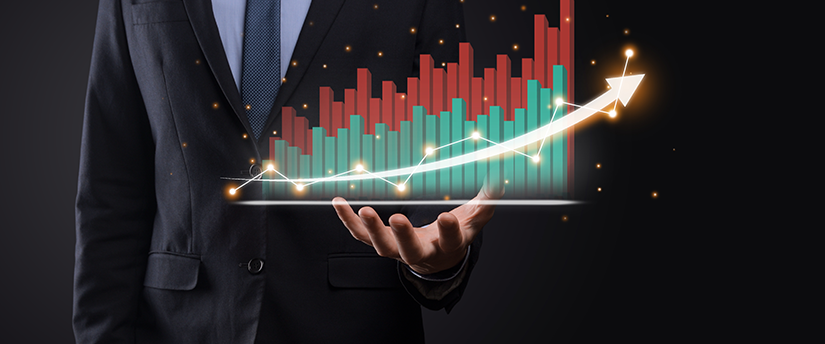
Technical analysis is the study of the price movement of assets. It uses historical market data (price, volume, volatility) to identify patterns or trends in the supply or demand for a security. Forex or stock traders use technical analysis to assess the value of a trading instrument before opening or exiting a position. Technical analysis is prevalent in the forex market where traders focus on short-term price movements.
Technical Analyst
A technical analyst typically looks to stock charts to predict how tradeable instruments will perform in the future. This includes currency pairs, bonds, stocks, bonds, and futures.
A fundamental analyst will analyse a company’s financial statements to measure its intrinsic value. In contrast, a technical analyst will seek to understand the market sentiment behind price trends (i.e., a statistical analysis of price movements).
Technical analysis usually takes a short-term approach, with traders analysing stock charts over the course of minutes, hours, weeks, or days.
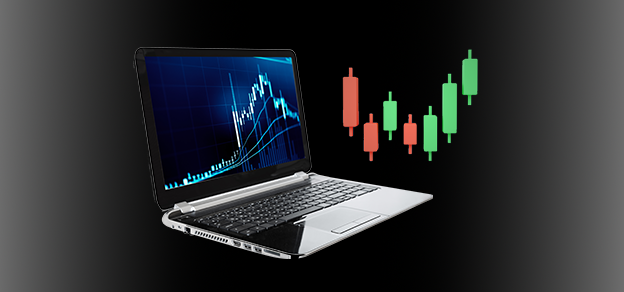
Trading styles and technical or fundamental analysis
Every trading style uses either technical or fundamental analysis or a combination of the two. Let’s look at each style and what method of analysis is applied in closer detail:
- Forex scalping is a day-trading strategy. It sees a forex trader using technical analysis to place and profit from small, short-term, and recurring trades. Forex scalping can be a rather time-consuming form of trading.
- A swing trader seeks to profit from short-term price swings. They typically hold positions for longer than a day and sometimes up to several weeks. This is to be able to buy at swing lows and sell at swing highs (or vice versa). Swing traders most often make use of technical analysis to execute trades. They do however apply fundamental analysis if needed. A swing trader may be exposed to overnight or weekend losses if price gaps arise.
- Generally skilled in technical analysis, day traders open and exit a number of short-term trades daily using various techniques. Day trading does come with its high risk. While large gains can be made, the potential for losing capital quickly is also high. To reduce overnight risk, day traders usually close all open positions before the trading day ends.
- A position trader uses both technical and fundamental analysis to identify trends and investments that will profit from that trend. Unlike a day trader, a position trader tends to hold onto trades for a longer period. They also attempt to determine accurate entry and exit orders in advance.
Technical analysis and risk management
Having a proper risk management plan in place is vital for a trader to make informed trading decisions. It takes into consideration the tolerance for risk a trader has, impacting the types of trades they are willing to execute. It also entails quantifying potential losses and then reacting (or not reacting) in a way that reduces the risk of losing large sums of capital. Technical and fundamental analysis both have a crucial part in this process.

Technical analysis indicators
There are various indicators (patterns and signals) that technical analysts look to, to support technical analysis trading. This includes:
Médias móveis
Used to identify trends and for market analysis. They can help isolate a trend or signal when one is reversing. Traders may use periods of different lengths to measure moving averages. A moving average that rises indicates that the instrument is in an uptrend whereas a falling moving average suggests that an instrument is in a downtrend.
Momentum indicators
Traders use this indicator to determine the strength or weakness of stock prices by calculating the rate of price change rather than the actual price movement. This form of analysis evaluates price differences over a specific period and compares the current price to its value at a past point. When the current price is higher than before, the momentum indicator shows a positive reading. Conversely, when the current price is lower, the indicator turns negative. If the momentum value rises above zero, analysts generally expect prices to increase, whereas a value below zero often signals downward movement.
Osciladores
Traders use this type of momentum indicator when they cannot identify a clear trend in specific stock prices. The indicator measures momentum and fluctuates between high and low bands to show whether an asset is overbought or oversold. Technical analysts typically combine oscillators with other tools before executing trades.
Níveis de Suporte e Resistência
Used in technical analysis to establish a surplus of buyers (support) or a surplus of sellers (resistance) in the market. It is based on the notion of prices fluctuating due to supply and demand. In other words, when demand is high and supply low, prices rise. In contrast, when supply is higher than demand, prices go down.
Volatility indicators
Trading currency pairs is highly volatile. Rapid price fluctuations are commonplace in the forex trading market. Volatility can be measured using historical data (price changes that have happened) and forecasting future price movements. Volatility indicators will indicate the state of a currency pair in terms of volatility, helping you to make a trading decision. Different volatility indicators can be used for different purposes, for example, to help identify the strength of a trend or whether a market is about to reverse.
Learning to trade forex using technical analysis
A demo trading account is one way for a trader to learn how to trade using technical analysis. It simulates a live trading environment, enabling the trader to open and exit trades using virtual money. Traders can apply technical analysis to their trading strategies to see potential outcomes (losses and/or gains). A demo account is also a great way for a forex trader to learn more about the forex space and acquire insights into different market conditions.
Negociar com o IronFX
IronFX is a popular forex broker with traders across the globe. Visit the IronFX website to learn more about forex trading or to open a demo account to boost your trading skills. Access the IronFX School for an extensive range of educational resources and materials to help you become a more insightful trader.
Isenção de responsabilidade:
Esta informação não deverá ser considerada como aconselhamento ou recomendação ao investimento, mas apenas como comunicação de marketing.


 JA
JA 





