 PT
PT  EN
EN  FR
FR  ES
ES  KO
KO  ZH
ZH  AR
AR  FA
FA  RU
RU  NL
NL  MS
MS  VI
VI  PH
PH  TH
TH  ID
ID 

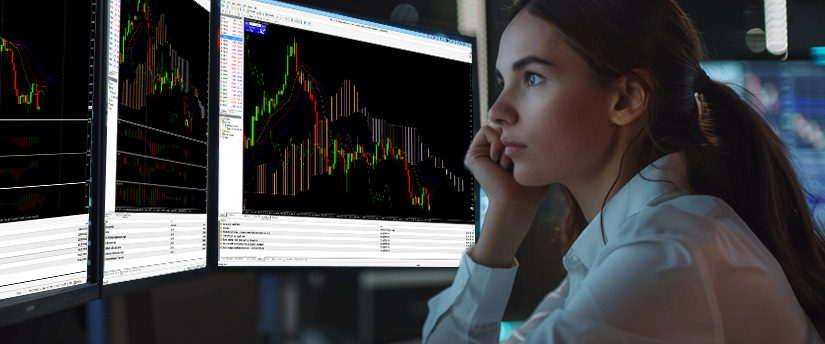
Building discipline in trading takes time, effort, and research. To build trading discipline, progress is never guaranteed, but having a clear trading plan helps remove many of the biggest causes of failure.
Confidence grows when you understand how financial markets move, follow your plan, and learn from both achievements and mistakes.
A trading plan should be written with clear signals that aren’t subject to change while you’re trading, though it can be re-evaluated when the markets are closed.
Your plan can change with market conditions and might be adjusted over time to better reflect changing goals, risk tolerance, and market behaviour.
Build trading discipline with the perfect plan
There are no two trading plans that are the same because no two traders are exactly the same. Each trader’s approach will reflect important factors like trading style as well as risk tolerance.
However, every solid trading plan should include some important components that help build trading discipline.
Define your goals and risk tolerance
If you’re new to trading, determine your financial objectives, how much risk you’re willing to take, and how long you want to hold your trades. You need to be clear about these things in advance so that you can work toward your trading goals with consistency and build trading discipline.
When deciding how much risk you’re comfortable taking, traders usually look at a few important factors. These include their current financial situation, what they hope to achieve, and how comfortable they are with potential losses. Experience also matters.
Someone who understands the markets well may be willing to take on more risk than a beginner. It’s also important to be honest with yourself; overestimating your risk tolerance can quickly impact confidence.
Select a trading style
You need to find a trading style that fits your personality, culture, and preferences. The plan can include day trading, swing trading, position trading, or long-term investing.
Your style should match your goals and the time frame you have set for yourself.

Set realistic expectations to build trading discipline
Trading always has inherent risks. You should set realistic expectations for returns and recognise the potential for losses. Avoid the trap of chasing quick profits or risking too much on a single position or trade.
Understanding that consistent, small gains often lead to more sustainable growth than occasional big wins is key to long-term confidence.
Comprehensive market analysis
Do a thorough market analysis to find potential opportunities. If you’re considering a stock, look at charts, study news e ainda market trends, and keep an eye on the right economic indicators. Then take a step back and consider the overall market.
This structured approach helps build trading discipline and prevents impulsive decisions.
Implement risk management rules
Set a percentage of your portfolio for each trade, and never go over the amount you think is right for your account.
Ordens de stop-loss: can help you limit losses if the market moves in the opposite direction. Like take-profit orders, they allow you to secure profits and exit a trade before it goes the other way.
Another way to limit losses is to use trailing stops. They set the stop price at a fixed amount below the market price with an attached “trailing” amount.
Revise and follow your trading plan
Every week or month, look over your trading plan and make changes if you need to. When you have drawdowns, go back to your plan and rethink your strategy until you find a clear way to move forward.
Regular reviews help you build trading discipline over time.
Maintain trading discipline
Follow your trading plan at all times. Try not to make impulsive decisions based on emotions like fear or greed.
Learn how to trade with discipline and consistency, and how to exit trades. Even when you are losing, you need to stick to your trading plan.
This is one of the most practical ways to build trading discipline in real market conditions.
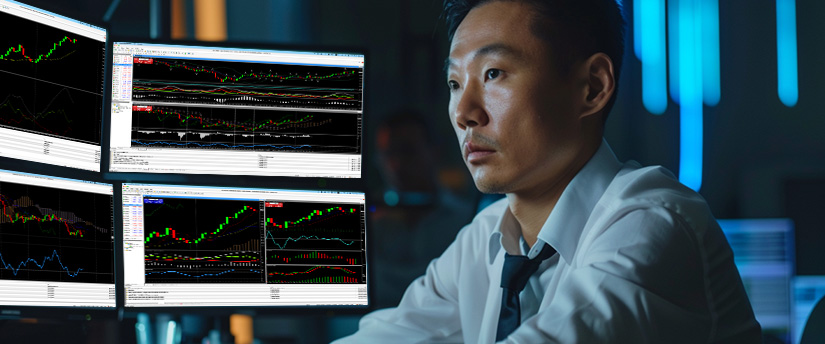
Monitor and evaluate trades
Keep detailed records of every trade you make. Write down when you entered and exited the trade, the reason for making the trade, and the final outcome.
Reviewing your trades regularly will help you figure out what works, what doesn’t, identify mistakes, and improve your approach over time.
This process helps traders build trading discipline because decisions become more structured and less emotional.
One of the most effective tools you can use is a trading journal. It shows you what’s helping and what’s holding you back.
In your journal, record:
- Why you entered the trade
- Your stop-loss and profit target
- Your emotions at entry and exit
- What you observed during the trade
When everything is written down, patterns become clear. Good habits are easier to identify and correct, which supports efforts to build trading discipline.
Continue learning to build trading discipline
To learn more and improve your skills and knowledge, read books, attend seminars and webinars, follow reliable financial news sources, and talk to experienced traders.
Keep up with market trends, economic news, and new trading techniques.
To learn more and enhance your knowledge and skills, read books, follow, and interact with experienced traders.
Accept losses to move forward
Losses are a natural part of trading and learning to deal with losses can help prevent overtrading.
Why you need a plan to build trading discipline
When traders enter the market, they need to be disciplined and have a clear plan. Having a clear trading plan helps you make logical decisions instead of emotional ones.
A good plan outlines how much risk to take on each trade, when to exit a position, and how large each position should be based on how much risk you’re willing to take. Without a plan, traders can take too much risk.
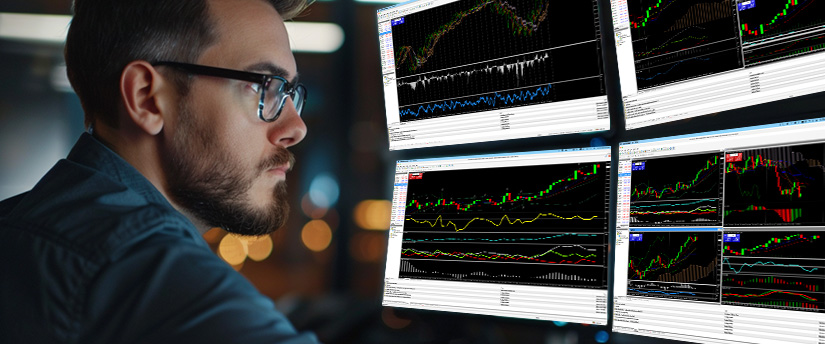
How to evaluate trading performance
Most methods of evaluating trade performance focus on adding up your wins and your losses. Common methods include calculating the total return of your trades and determining the profit factor.
Additional measures give a better understanding of how to manage risk and stay consistent. These include looking at the win rate, average profit per trade, average loss amount, maximum drawdown, and recovery rate.
The recovery rate refers to the percentage of drawdowns that were recovered through profitable trades.
Conclusão
You can’t build discipline in trading if you rely on luck, make predictions, or win a few trades. It comes from being prepared, confident, able to adapt, and continuous learning.
When markets are uncertain, a well-structured trading plan makes things clearer and helps you make decisions without letting your emotions get in the way.
Practising on a demo account can help improve technical skills, but you can build real discipline by following a clear plan and learning how to control emotions under real market conditions.
Effective traders understand that losses are unavoidable. How traders deal with their losses is what separates consistent traders from those who are struggling.
Traders don’t make impulsive decisions or costly mistakes when they follow predefined rules, manage risk carefully, and review their performance objectively.
Trading is a continuous learning process. Markets change, and so must your approach. Over time, your confidence will grow if you keep improving your trading plan, keep a detailed journal, and stay disciplined through both winning and losing periods.
With patience, consistency, and a commitment to improvement, traders can set themselves up for long-term growth.
DISCLAIMER: This information is not considered as investment advice or an investment recommendation, but is instead a marketing communication.


 JA
JA 





