ES
ES  EN
EN  FR
FR  KO
KO  PT
PT  ZH
ZH  AR
AR  FA
FA  RU
RU  NL
NL  MS
MS  VI
VI  PH
PH  TH
TH  ID
ID 

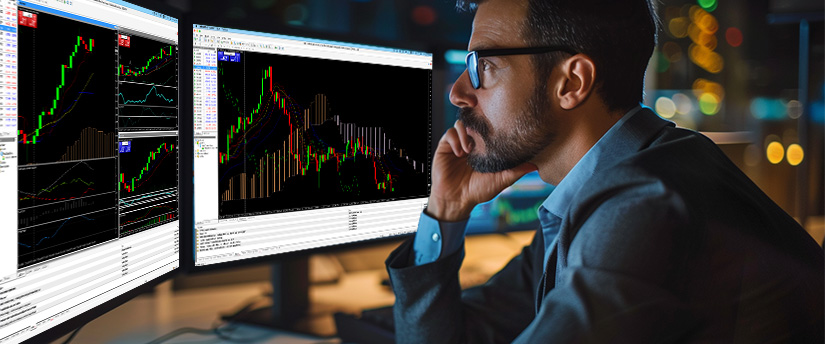
Trading metals in 2026 offers compelling opportunities for new traders looking to diversify their portfolios. With geopolitical tensions affecting silver prices and gold experiencing significant volatility, understanding the metals market has never been more crucial for emerging investors.
In this article, we’ll explore the fundamentals of trading precious metals, including the factors that influence metal prices, different trading instruments, market analysis techniques, risk management considerations, and the tools that can help traders navigate gold, silver, and other metal markets more effectively.
Why Trading Metals Matters in 2026
The precious metals landscape has shifted dramatically this year. Silver prices dropped sharply following recent Middle East tensions between Israel and Iran, demonstrating how quickly geopolitical events can impact metal valuations. These sudden price movements create both opportunities and risks for traders.
Gold recently suffered a steep selloff, with some strategists suggesting a potential floor around $4,000. This volatility highlights why new traders need solid preparation before entering the metals market.
Economic Drivers Shaping Metal Prices
Several key factors influence metal prices throughout 2026:
- Global inflation concerns driving safe-haven demand
- Central bank policies affecting currency strength
- Industrial demand for precious metals in technology
- Geopolitical tensions creating market uncertainty
These drivers work together, creating the complex price movements we’ve seen this year.
Understanding Market Sentiment
Market psychology plays a crucial role in the metals market. When tensions escalate, as seen with the recent Israel-Iran missile strikes, silver prices can plummet despite traditional safe-haven status. This contradiction challenges conventional wisdom about metals as crisis hedges.
Professional traders watch sentiment indicators closely. Fear often drives buying, whilst confidence can trigger selling. New traders should understand these emotional cycles before placing their first trades.
Essential Trading Metals Knowledge for Beginners
Before you start metal trading, several fundamental concepts require your attention. Understanding these basics will help you navigate volatile market conditions more effectively.
Market Hours and Sessions
Metal markets operate across different time zones, creating unique trading opportunities. London and New York sessions typically see the highest volume, whilst Asian sessions can provide quieter conditions for learning.
Each session brings different characteristics. London opening often creates significant price movements, especially for gold and silver. New York sessions frequently see increased volatility around economic announcements.
Types of Metal Instruments
Modern platforms offer various ways to trade metals exposure:
- Spot metals for immediate settlement
- Futures contracts for specific delivery dates
- CFDs for flexible position sizing
- ETFs for broader market exposure
Each instrument type has distinct characteristics. Spot metals offer simplicity, whilst futures require more sophisticated understanding of contract specifications.
Position Sizing Fundamentals
Successful metal trading starts with proper position sizing. Never risk more than 2% of your account on any single trade. This conservative approach helps you survive inevitable losing streaks.
Calculate your position size before entering trades. If your account holds £1,000 and you’re willing to risk £20, determine how many units you can trade based on your stop loss distance.
Key Platform Features for Trading Metals
Choosing the right trading environment significantly impacts your success with metals. IronFX provides the tools and platforms needed to trade metals, helping new traders navigate this complex market.
Real-Time Price Feeds
Accurate pricing data forms the foundation of successful trading metals strategies. Prices can move rapidly during news events, making reliable feeds essential for timing entries and exits.
Professional-grade platforms update prices continuously throughout trading sessions. This real-time data helps you spot opportunities and manage risk effectively.
Advanced Charting Tools
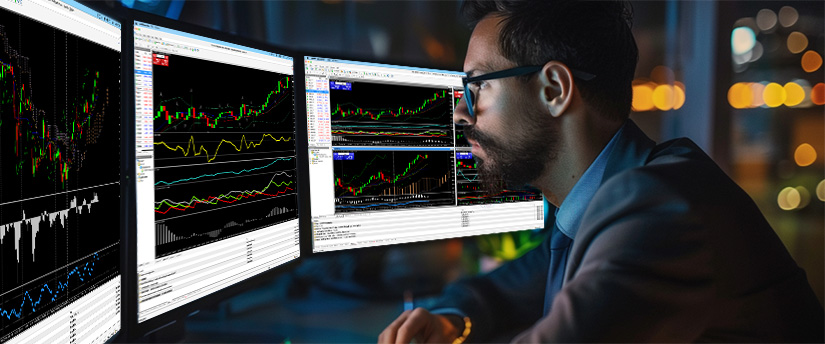
Technical analysis becomes crucial when trading in metals, given their tendency toward trending behaviour. Comprehensive charting packages allow you to identify patterns and potential reversal points.
Look for platforms offering multiple timeframes, drawing tools, and technical indicators. These features help you develop and test your trading strategies systematically.
Risk Management Features for Trading Metals
Built-in risk controls protect your capital during volatile periods. Stop losses, take profits, and position limits help you maintain discipline even when emotions run high.
Some platforms offer guaranteed stop losses for additional protection. This feature becomes particularly valuable during gap moves, which metals markets experience occasionally.
Market Analysis Approaches for Trading Metals
Developing analytical skills helps you make informed decisions when trading the metals market. Two primary approaches dominate professional analysis: fundamental and technical methods.
Fundamental Analysis Basics
Economic data releases significantly impact metal prices. Inflation reports, central bank decisions, and geopolitical developments all create trading opportunities.
Recent examples include the silver price decline following Middle East tensions. Understanding why markets react this way helps you anticipate future moves and position accordingly.
Monitor key economic indicators regularly. Employment data, inflation figures, and GDP growth all influence metal demand and pricing dynamics.
Technical Analysis Essentials for Trading Metals
Chart patterns and indicators provide valuable insights into market sentiment and potential price direction. Support and resistance levels often prove reliable for entry and exit timing.
Moving averages help identify trend direction, whilst momentum indicators signal potential reversals. Combining multiple indicators improves your analysis accuracy significantly.
News and Event Trading
Major announcements can trigger substantial price movements in metal markets. Learning to trade around these events requires preparation and risk management.
Economic calendars highlight upcoming releases that might affect your positions. Planning your trades around these events helps you avoid unexpected volatility or capitalize on opportunities.
Getting Started: Your First Metal Trades
Beginning your metal trading journey requires careful preparation and gradual skill development. Start with small positions whilst you learn market dynamics and platform functionality.
Demo Trading Benefits
Practice accounts let you experience real market conditions without risking capital. Use demo trading to test strategies, learn platform features, and build confidence.
Spend at least several weeks practicing before risking real money. This preparation period helps you understand how metals markets behave during different conditions.
Live Trading Transition
When you’re ready for live trading, start with minimal position sizes. Your first real trades should focus on execution quality rather than profit maximisation.
Gradually increase position sizes as your skills develop and confidence grows. This measured approach helps you build sustainable trading habits.
Building Trading Discipline
Successful trading of metals requires consistent discipline and emotional control. Develop clear rules for entries, exits, and risk management before you start trading.
Write down your trading plan and review it regularly. This documentation helps you stay focused during volatile periods and learn from both winning and losing trades.
Risk Considerations and Capital Protection
Participating in metal markets involves substantial risks that new traders must understand completely. Price volatility can work for or against your positions, making risk management absolutely essential.
Understanding Leverage Effects
Leverage amplifies both profits and losses when trading metals. A small price movement can significantly impact your account balance, creating opportunities and dangers.
Start with lower leverage levels whilst you’re learning. This conservative approach helps you understand how leverage affects your positions without risking excessive capital.
Market Volatility Management
Metal prices can move rapidly during news events or market stress. The recent gold selloff and silver price drops demonstrate how quickly conditions can change.
Prepare for volatility by setting appropriate stop losses and position sizes. These preparations help you survive unexpected market movements and continue trading.
Conclusiones
Trading metals in 2026 presents both opportunities and challenges for new traders. With proper preparation, education, and risk management, you can participate in this dynamic market successfully. Start with demo trading, develop your skills gradually, and maintain strict discipline throughout your learning process.
Remember that trading metal markets requires patience and continuous learning. Market conditions change constantly, as evidenced by recent silver and gold price movements following geopolitical events. Stay informed, practice regularly, and always prioritise capital preservation over quick profits.
AVISO LEGAL: Este contenido es solo para fines informativos y educativos generales, y no debe considerarse un asesoramiento ni una recomendación de inversión.