 FA
 EN
 FR
 ES
 KO
 PT
 ZH
 AR
 RU
 NL
 MS
 VI
 PH
 TH
 ID


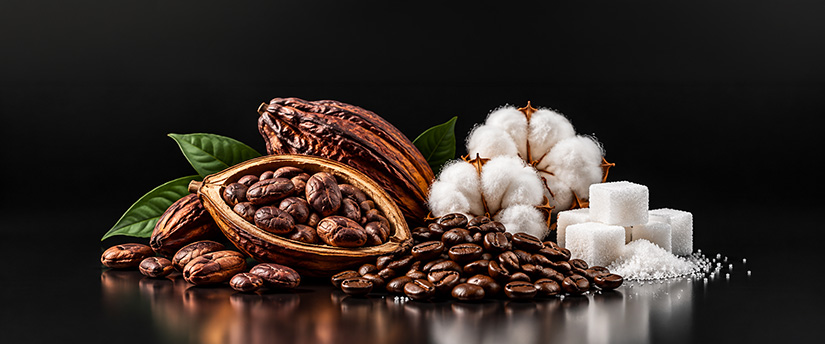
If you follow commodity markets, soft commodities offer a fascinating mix of agriculture and economics. Coffee, cocoa, sugar, and cotton respond to weather, crop conditions, demand, currencies, and trade flows.
From Brazilian coffee fields to West African cocoa farms, location matters. Harvest timing matters too because agricultural supply cannot adjust instantly when demand changes.
What are They and Why Do They Matter?
Soft commodities are agricultural products that are grown rather than extracted. They include coffee, cocoa, sugar, cotton, orange juice, and other crops. Their supply depends heavily on natural cycles, giving these markets a distinct character.
Weather can affect crops through drought, frost, excessive rainfall, heat, pests, and disease. These factors can alter yields, quality, inventories, export volumes, and expected future supply.
Coffee: Following the Crop from Farm to Market

Coffee is a major agricultural market, with Arabica and Robusta as the two main commercial varieties. Arabica often commands higher prices, while Robusta is common in instant coffee and blends.
Brazil is a major coffee producer, while Vietnam is also important, especially for Robusta coffee. That concentration makes weather important, while currency movements can influence exporter behaviour and international prices.
Cocoa: Where West African Supply Matters
Cocoa supply is concentrated in a relatively small number of producing countries. Côte d’Ivoire and Ghana remain major producers, giving West African crop conditions an important role in global pricing.
Heavy rainfall, dry weather, disease, and farm conditions can affect harvest expectations for this soft commodity. Demand also matters because cocoa is processed into ingredients for chocolate and many other food products.
Sugar: The Crop With an Energy Connection
Sugar stands out in soft commodities because sugarcane has uses beyond food. It can also be processed into ethanol, especially in major producing markets such as Brazil.
Brazil, India, and Thailand are major sugar producers. Weather, crop yields, export flows, energy prices, and policy decisions can all affect the global sugar balance.
Cotton: Agriculture Meets the Textile Industry
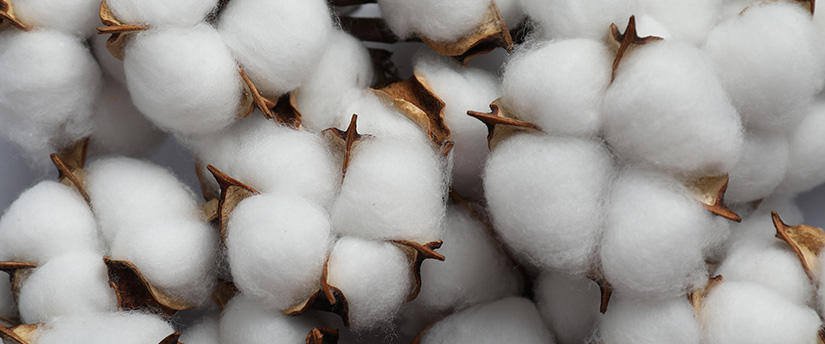
Cotton connects farming directly with textile production. Demand depends on spinning, manufacturing, clothing output, and broader consumer activity.
China, India, Brazil, and the United States are major producers. Weather remains critical, while mill demand, exports, inventories, and economic conditions can shift the market.
Four Markets, Four Different Personalities
Coffee can react strongly to weather in key producing regions. Cocoa can respond sharply to West African crop developments, while sugar can reflect both food and ethanol economics.
Cotton has a closer connection with manufacturing demand and textile activity. These differences mean the same economic event can affect these soft commodities in very different ways.
Reading Reports Without Losing the Bigger Picture
Crop reports provide useful information about expected production and inventories. Export figures can reveal whether available supply is reaching international buyers at the expected pace. Demand reports add another important layer.
Strong production does not automatically mean lower prices if consumption rises at the same time. Markets also react to expectations rather than confirmed outcomes, so traders often assess reports before their release.
What Moves Soft Commodity Prices?
Weather is one of the most important price drivers. A drought can reduce yields, while excessive rain can delay harvesting or damage crops.
Supply data also matters. Traders follow production estimates, planted area, inventories, export volumes, and harvest updates. Demand can shift with food consumption, textile activity, chocolate production, and biofuel use.
Why Seasonality Can Shape Market Moves
Agricultural markets follow planting, growing, and harvesting cycles. These stages create recurring periods when certain weather risks become more important. Seasonal patterns do not guarantee price direction, however.
Markets also react to expectations, positioning, inventories, currency moves, and new information. For that reason, soft commodities often require regular monitoring.
A new crop report can change the market outlook within hours. The impact depends on how the information compares with what traders already expected.
From Farm Conditions to Market Expectations
Price movements often begin with changes in physical market expectations. A weaker crop forecast can reduce expected supply, while stronger yields can ease supply concerns.
The market may react before the physical change becomes visible in final inventories. Futures markets often reflect anticipated conditions well before official results become available.
Supply, Demand, and Inventories
Supply and demand work together to shape commodity pricing. A large harvest can pressure prices when demand stays stable and inventories rise.
The opposite can happen when production falls while demand remains strong. Lower inventories can make the market more sensitive to new supply disruptions.
How Currency Movements Can Matter
Many agricultural soft commodities are traded internationally in US dollars. Currency changes can therefore affect export competitiveness and producer revenue.
A weaker local currency can improve export competitiveness for producers. However, currency effects vary between countries, crops, and market conditions.
Understanding Contracts and Price Exposure
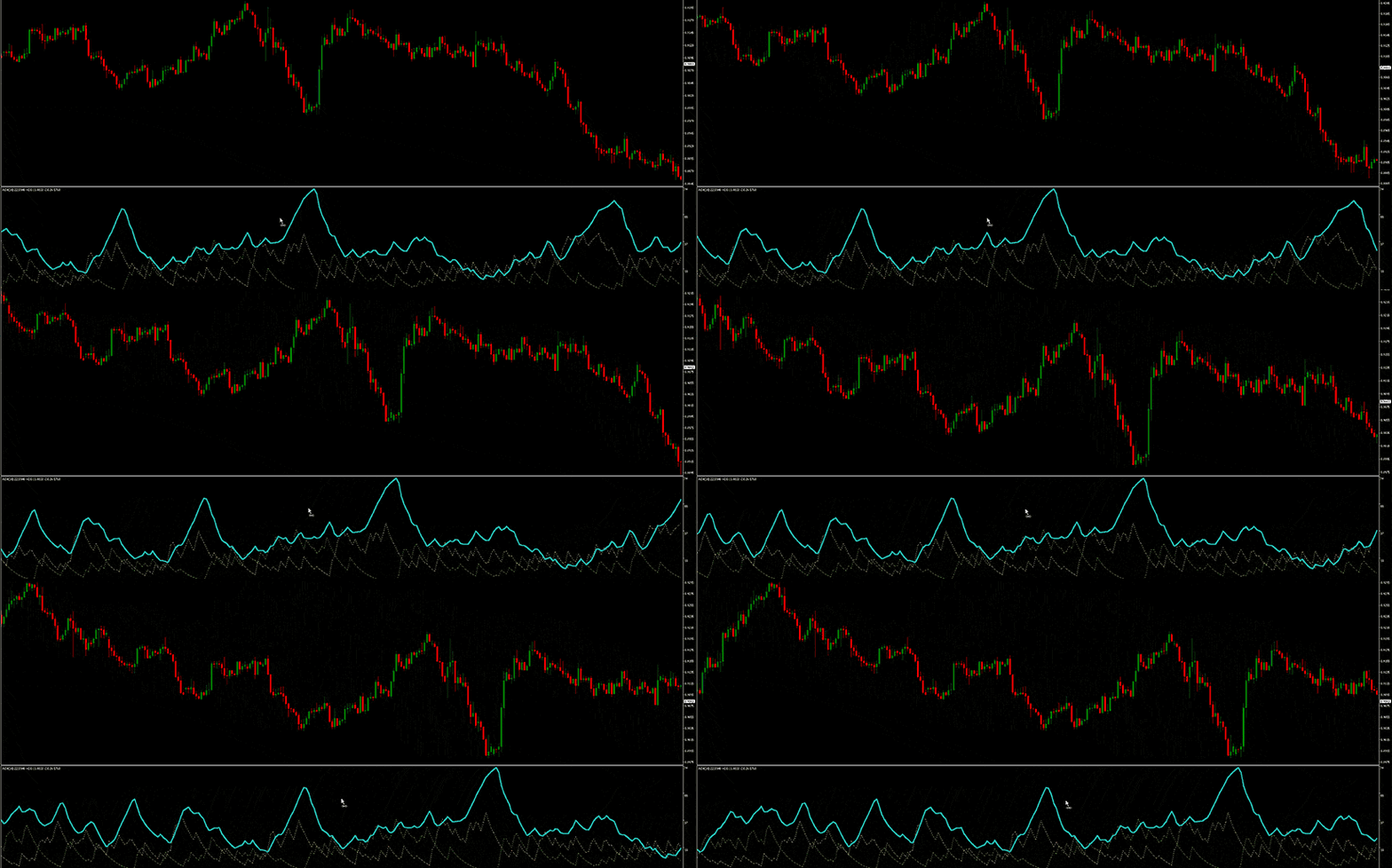
Many professional participants use futures for price exposure or hedging. Futures contracts standardise quantities, specifications, expiry dates, and delivery or settlement terms.
Contract details matter because the quoted price is only one part of the position. Contract size, tick value, expiry, and settlement rules can all affect trading outcomes.
Some traders focus on outright price moves, while others study spreads between contract months. Understanding the specific contract can also explain why related products behave differently.
Understanding the Risks Before Trading
Agricultural markets can experience sharp price movements. Weather surprises, disease outbreaks, export restrictions, and sudden demand changes can alter market expectations quickly.
Liquidity can also vary between contracts and market conditions. Important reports or unexpected events can increase volatility and make prices move rapidly.
Leverage can increase both potential gains and losses when used through derivatives. Risk management therefore matters before taking any leveraged position.
Building a Clear View of Soft Commodities
Each market has its own key drivers. Coffee needs close attention to production and weather, while cocoa requires strong awareness of West African supply.
Sugar connects agricultural conditions with food demand and ethanol economics. Cotton links crop conditions with textile demand, exports, inventories, and global growth.
No single indicator explains every price move. A broader view combines supply, demand, weather, currencies, inventories, policy, and market expectations.
Understanding those relationships can make commodity analysis more structured. That approach is useful when studying soft commodities and their changing seasonal patterns.
Closing Thoughts
Coffee, cocoa, sugar, and cotton may look similar because they are agricultural products. Yet each market responds to a different combination of supply, demand, weather, currencies, and industry trends.
The key is to understand the forces behind each market before interpreting price movements. By studying these drivers together, you can approach soft commodities with a clearer and more informed perspective.
سلب مسئولیت: This information is not considered as investment advice or an investment recommendation but is instead a marketing communication.

