KO
KO  EN
EN  FR
FR  ES
ES  PT
PT  ZH
ZH  AR
AR  FA
FA  RU
RU  NL
NL  MS
MS  VI
VI  PH
PH  TH
TH  ID
ID 


Figuring out how to start trading as a student might feel overwhelming at first, but it doesn’t have to be. With the right approach, a bit of discipline, and a trading platform offered by a regulated broker, students can develop their understanding of financial markets and trading concepts while still managing their studies. This guide breaks it down into practical, honest steps you can act on right now.
Trading vs Investing
Trading usually involves buying and selling financial instruments over shorter timeframes, while investing generally focuses on building wealth over the long term. Understanding the difference can help you choose an approach that matches your financial goals and risk tolerance. Understanding this difference is an important first step if you’re learning how to start trading as a student.
Why Students Are Getting into Trading
More young people are showing interest in financial markets, with increasing access to online trading and investing platforms. In some countries, regulated brokers now offer supervised youth trading accounts, reflecting growing interest in investing among younger people.
Students may have more flexibility to learn about financial markets gradually, but access does not equal readiness. Knowing how to open an account is very different from knowing how to trade well.
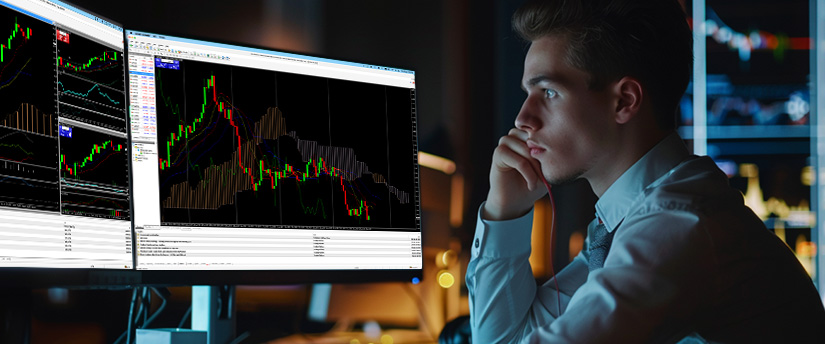
How to Start Trading as a Student: The Foundations
Start Trading With a Demo Account
Before risking real money, practise with a demo account using virtual funds. Most reputable platforms, including IronFX, offer demo accounts that simulate live market conditions. You get to practice reading charts, placing orders, and managing positions without any financial pressure.
Use the demo account seriously. Treat every trade as if it were real. Track your decisions and review them weekly.
Understand What You’re Trading
Students often jump straight into instruments without understanding them. Take time to learn the basics first:
- Forex trading involves currency pairs like EUR/USD
- CFDs let you speculate on price movements without owning the asset
- Stocks give you exposure to individual company performance
- Indices track the broader performance of a market or sector
Pick one instrument and focus on it. Spreading yourself across four different markets at the start will slow your learning, not accelerate it.
Understand Leverage
Many trading products, including CFDs and forex, allow traders to use leverage. While leverage can amplify both gains and losses, it also increases the level of risk. Beginners should understand how leverage works and use it cautiously, particularly when trading with real funds.
Learn to Read Trading Charts
Price charts are your primary tool. You don’t need to master every technical indicator on day one. Learn what support and resistance levels are. Understand the difference between a trending market and a ranging one. That knowledge provides a solid foundation for further learning.
How to Start Trading as a Student: Managing Risk
Risk management is one of the most important aspects of trading, yet it’s often overlooked by beginners. Even experienced traders can make incorrect market predictions, which is why protecting your capital should always come before chasing profits.
Set a Rule for Every Trade
Before placing any trade, decide two things: where you’ll exit if the trade goes wrong, and where you’ll take profit if it goes right. This is called setting your stop-loss and take-profit levels.
Many experienced traders limit risk to around 1–2% of account equity per trade. For a student with a small starting balance, this can help limit the potential impact of losses while you’re still learning.
Don’t Chase Losses
Losing trades happen. They happen to every trader. The dangerous moment isn’t the loss itself. It’s the emotional reaction that follows. Chasing a loss with a bigger trade is how small mistakes become serious ones.
When you feel the urge to double down after a bad trade, that’s your signal to step away from the screen.

Building a Routine Around Your Studies
You’re a student first. Trading has to fit around your schedule, not replace it.
The good news is that you don’t need to watch markets all day to trade effectively. Many students focus on end-of-day analysis, reviewing charts after class and planning trades for the next session. This approach actually encourages better decision-making because it removes impulsive, in-the-moment reactions.
Set a specific time block for trading. Even 30 to 45 minutes a day can help you build market experience over time.
How to Start Trading as a Student: Choosing the Right Trading Platform
The platform you trade on matters more than most beginners realise. You want reliable order execution, real educational content, and access to multiple instruments so you can explore different markets as your skills develop.
IronFX offers a trading environment designed to support traders at every level. From demo accounts to live trading, the platform provides live charting tools and access to multiple markets to support your learning. Visit the IronFX website to learn more about its trading accounts, educational resources and available markets.
Common Mistakes to Avoid
Even with good intentions, students tend to fall into a few predictable traps. Here’s what to watch for:
- Overtrading: placing too many trades out of boredom or excitement
- Ignoring risk management and letting losses run unchecked
- Copying trades from social media without understanding the logic behind them
- Expecting fast profits and abandoning strategy the moment results are slow
Recognising these mistakes early can help traders develop more disciplined habits over time.
Staying Consistent is the Real Skill
Consistency is one of the most important aspects of developing a disciplined trading approach. A trader who sticks to a simple, well-tested strategy and manages risk carefully is generally more likely to develop a disciplined approach over time than someone who constantly changes strategies.
Keeping a trading journal can help you review your decisions and identify recurring patterns. Write down why you entered a trade, what happened, and what you’d do differently. Over weeks, you’ll start seeing patterns in your own behaviour, and that self-awareness is genuinely valuable.
Learning how to start trading as a student is ultimately about building habits that hold up under pressure. Good risk management and disciplined decision-making can help traders improve over time, although losses are always possible. Continue learning, practise responsible risk management, and use educational resources available through IronFX.
Frequently Asked Questions
How do I start trading as a student?
To learn how to start trading as a student, start with a demo account, understand the basics of trading, and practise good risk management before using real money. If you meet the legal age requirements in your country, you may be able to open a live trading account with a regulated broker.
How much money do students need to start trading?
Many brokers allow accounts to be opened with relatively small deposits, although beginners often benefit from practising with a demo account before risking real money.
Should students use leverage?
Leverage increases both potential profits and potential losses. Beginners should fully understand how leverage works before using it.
Is a demo account worth it?
Yes. Demo accounts allow you to practise trading strategies and become familiar with market conditions without risking real money.
DISCLAIMER: This information is not considered as investment advice or an investment recommendation, but is instead a marketing communication.