VI
VI  EN
EN  FR
FR  ES
ES  KO
KO  PT
PT  ZH
ZH  AR
AR  FA
FA  RU
RU  NL
NL  MS
MS  PH
PH  TH
TH  ID
ID 

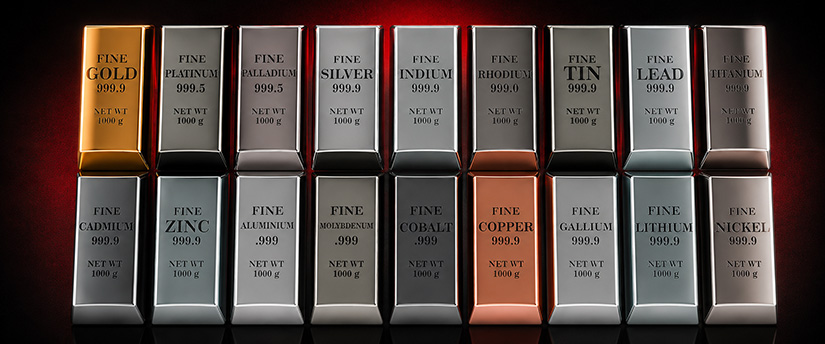
A metals trading platform gives traders access to financial markets where they can trade or gain exposure to precious and other metals, such as gold, silver, platinum, and palladium. These markets attract both beginners and experienced traders because metals can behave differently from traditional currency pairs and other financial instruments.
Gold, for example, is often watched during periods of economic uncertainty, while industrial demand can influence metals such as silver and platinum. But before opening a position, traders need to understand how metal markets work, what instruments are available, and which platform features can make trading more efficient.
Choosing a platform is therefore about more than finding a convenient interface. Execution, pricing, available instruments, analytical tools, risk-management features, and overall usability can all influence the trading experience.
What does the metals trading platform represent?
A metals trading platform is software or an online trading environment that allows users to monitor metal prices, analyze market movements, and place trades in available metal-related instruments.
Depending on the provider, traders may be able to access markets including:
- Vàng
- Bạc
- Bạch kim
- Palladium
- Other precious or industrial metals
The exact instruments and trading conditions vary between providers.
Some platforms provide direct access to exchange-traded products, while others offer derivatives such as contracts for difference (CFDs). These instruments work differently, so traders should understand exactly what they are trading before opening an account.
A platform should make it easy to view prices, analyze charts, place orders, and monitor open positions. However, the technology itself is only one part of the decision. The terms and risks associated with the financial products available through the platform are equally important.
Why Do Traders Trade Metals?
Metals have a unique role in global financial markets. Gold is perhaps the best-known example. Investors and traders often monitor it in connection with inflation expectations, interest rates, currency movements, geopolitical uncertainty, and changes in investor sentiment.
Silver can have both investment and industrial demand, which can create different market dynamics. Platinum and palladium are also influenced by industrial applications, including their use in various manufacturing processes.
This variety makes metals interesting to traders who want to diversify the markets they follow.
However, diversification does not eliminate risk. Metal prices can be volatile, and the factors affecting them can change quickly.
Precious Metals vs. Industrial Metals
Not all metals behave in the same way.
- Precious metals generally include gold, silver, platinum, and palladium. They are widely followed by investors because of their financial, industrial, and sometimes store-of-value characteristics.
- Industrial metals include commodities such as copper, aluminum, and nickel. Their prices can be particularly sensitive to manufacturing activity, construction, infrastructure spending, inventories, and broader economic growth.
This distinction matters when using a Metals trading platform because traders should understand what drives the specific market they are analyzing.
For example, a trader studying gold may focus heavily on interest-rate expectations and the U.S. dollar, while someone analyzing copper may pay closer attention to industrial demand and economic growth indicators.
How Does Metals Trading Work?
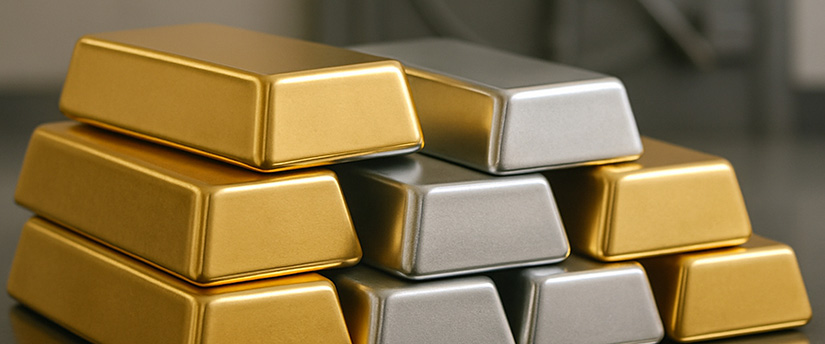
The mechanics depend on the financial instrument being used. With physical metals, investors purchase and hold the actual commodity. This involves considerations such as storage, insurance, transportation, and purity.
Financial markets offer alternative ways of gaining exposure. For example, futures contracts allow traders to agree to buy or sell a commodity at a specified price and future date. Exchange-traded products can also provide exposure to metal prices without requiring physical ownership.
CFDs are another instrument offered by some platforms. They allow traders to speculate on price movements without owning the underlying metal.
Because these products have different structures, traders should carefully review contract specifications, costs, leverage, and settlement rules.
Important Features of a Metals Trading Platform
Not every platform provides the same experience. Before choosing one, traders can compare several features.
Real-Time Pricing
Access to current market prices is essential for short-term trading. Delayed information can make it more difficult to evaluate entry and exit opportunities.
Advanced Charts
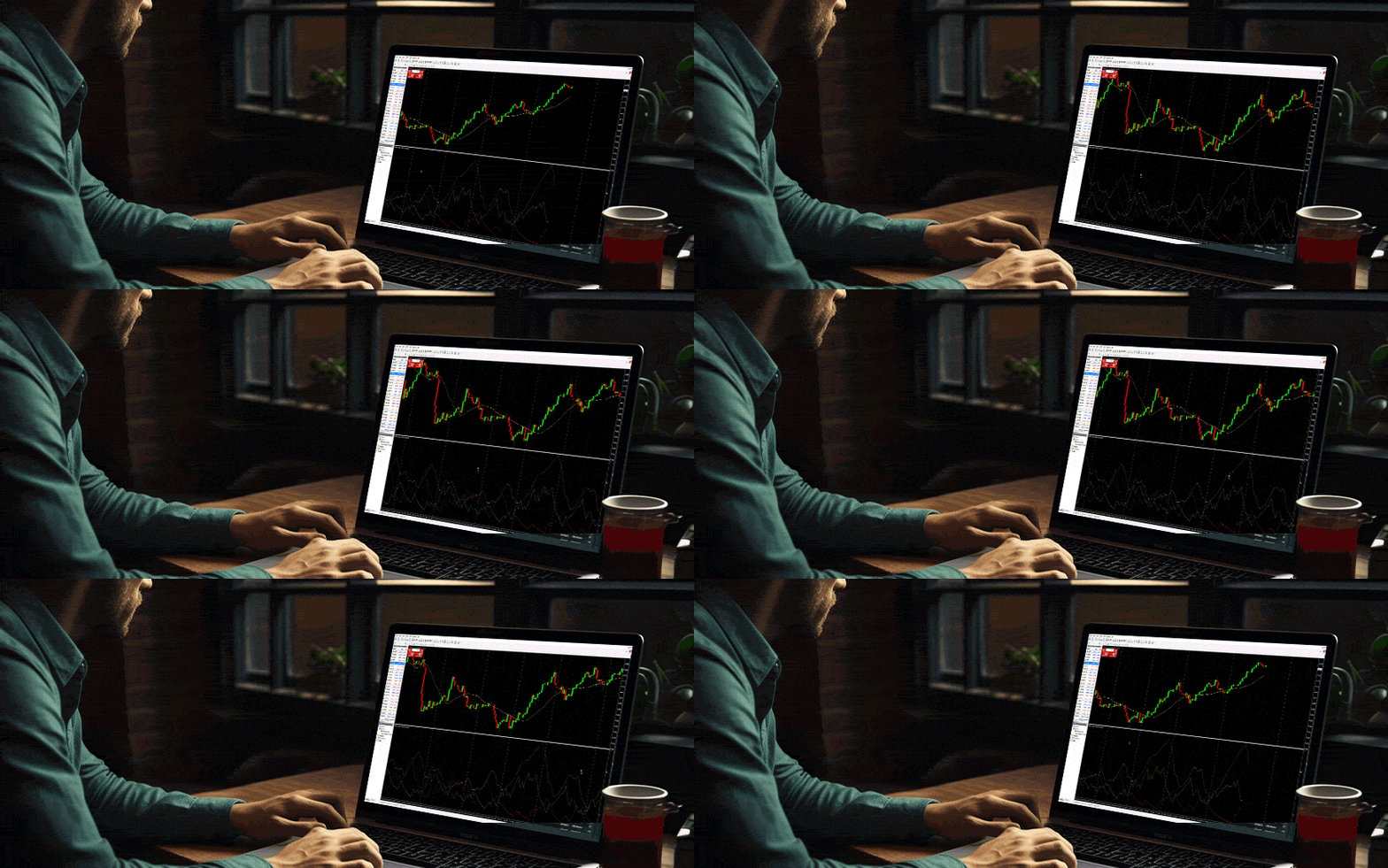
A useful platform should offer charts across different timeframes and provide tools such as trendlines, moving averages, and other technical indicators.
Order Types
Different order types can help traders manage how and when positions are opened or closed.
Depending on the platform, these may include market orders, limit orders, stop orders, and other conditional orders.
Risk-Management Tools
Stop loss and take-profit functionality can help traders establish predefined exit points.
However, these tools do not guarantee a particular execution price, especially during periods of rapid market movement or low liquidity.
Mobile Access
Many modern traders want to monitor positions from smartphones or tablets. A well-designed mobile application can make it easier to follow the market while away from a desktop.
The important consideration is not simply whether mobile access exists, but whether the mobile version provides the essential functionality needed to manage trades effectively.
Understanding Metal Price Movements
A major part of successful metals analysis is understanding what can move prices.
For gold, several factors can be particularly important.
Interest Rates (Lãi suất)
Changes in interest-rate expectations can influence investor demand for gold. Traders often monitor central bank policy and government bond yields when analyzing the metal.
The U.S. Dollar
Gold is commonly quoted in U.S. dollars. As a result, changes in the dollar can influence the metal’s price and purchasing power for international market participants.
Inflation Expectations
Gold is often discussed in the context of inflation and purchasing power. However, the relationship is not always straightforward, and other market forces can dominate over shorter periods.
Geopolitical Events
Political uncertainty and geopolitical tensions can affect investor sentiment and contribute to changes in demand for perceived defensive assets.
For other metals, industrial production, supply disruptions, inventories, and sector-specific demand can be more important.
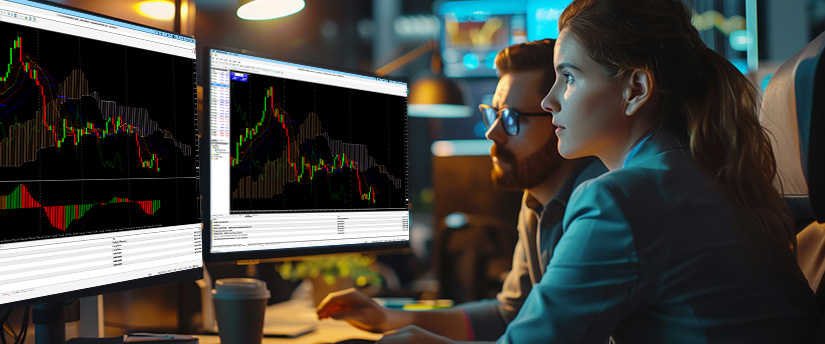
Technical Analysis on a metals trading platform
Phân tích kỹ thuật can help traders identify potential market structures and price levels.
Common tools include:
- Support and resistance
- Đường xu hướng
- Moving averages
- Momentum indicators
- Breakout analysis
- Candlestick patterns
- Chart patterns
For example, suppose gold has repeatedly failed to move above a particular resistance area. A trader may watch the level for signs of either another rejection or a confirmed breakout.
Similarly, a trader may identify a strong support zone and look for evidence that selling pressure is weakening.
Technical analysis does not predict the future with certainty. Instead, it helps traders organize information and create potential scenarios.
Fundamental Analysis and Metals
When it comes to kim loại trading platform and fundamental analysis, it is crucial to note that technical analysis is only one approach. Fundamental analysis examines the economic and market factors that can influence metal prices.
For precious metals, traders might monitor:
- Central bank decisions
- Dữ liệu lạm phát
- Interest-rate expectations
- Currency movements
- Economic growth
- Investment demand
For industrial metals, additional factors can include:
- Manufacturing activity
- Construction demand
- Global economic growth
- Mining supply
- Inventory levels
- Energy costs
Using both technical and fundamental analysis can provide a broader perspective.
For example, a technical breakout in gold may appear more significant if it occurs while macroeconomic conditions are also supporting increased demand.
Leverage: An Important Consideration
Some metal trading products can be traded using leverage.
Leverage (Đòn bẩy) allows traders to control a larger position with a smaller amount of capital. While this can increase potential returns, it also magnifies losses.
Consider a simplified example. If a trader controls a $10,000 position with $1,000 of their own capital, relatively small price movements can have a significant impact on the capital committed to the trade.
The exact leverage available depends on the provider, instrument, jurisdiction, and applicable regulations.
Beginners should understand how leverage works before using it and should avoid assuming that higher leverage automatically creates a better trading opportunity.
Costs to Compare Before Choosing a Platform
The trading interface may look attractive, but costs can have a major impact on long-term results.
When comparing a metals trading platform, traders should look at:
- Chênh lệch giá
- Commissions
- Overnight or financing charges
- Deposit and withdrawal fees
- Currency conversion costs
- Minimum account requirements
- Contract specifications
A platform with a low advertised spread may not necessarily be the cheapest option for every trading style.
For example, a trader holding positions overnight may be more concerned about financing charges, while an active intraday trader may focus more heavily on spreads and execution.
Regulation and Security
Security should be one of the first considerations when selecting a trading provider.
Before opening an account, traders should check which company operates the platform and whether it is regulated by a recognized financial authority in the relevant jurisdiction.
It is also worth reviewing how client funds are handled, what protections may apply, and what procedures are available if a dispute occurs.
A professional-looking website is not proof that a financial provider is legitimate. Traders should independently verify regulatory information rather than relying exclusively on marketing claims.
Common Mistakes Beginners Should Avoid
Trading metals can appear straightforward, but several common mistakes can create unnecessary risk.
- Using excessive leverage: Large positions can turn relatively small market movements into significant losses.
- Ignoring volatility: Gold and other metals can move quickly, particularly around major economic announcements.
- Trading without a plan: Entering a position simply because price is moving can lead to emotional decisions.
- Ignoring costs: Spreads and financing charges can accumulate over multiple trades.
- Following every market headline: News can be useful, but reacting emotionally to every headline can lead to inconsistent decisions.
- Failing to diversify analysis: Looking only at a single indicator or chart pattern can provide an incomplete picture.
A trading plan should define entry conditions, risk limits, exit criteria, and the amount of capital allocated to each position.
How Beginners Can Get Started
Someone new to metals trading does not need to begin by trading every available instrument.
A more structured approach is to start with one or two widely followed markets, such as gold or silver, and learn what typically influences them.
The process could include:
- Learn how the selected metal market works.
- Understand the specific instrument offered by the platform.
- Compare spreads, commissions, and other costs.
- Practice reading price charts.
- Study fundamental factors affecting the metal.
- Start with a demo account where available.
- Develop clear risk-management rules.
- Keep a trading journal and review your decisions.
This approach can help beginners build familiarity before committing significant capital.
Final Thoughts
A metals trading platform can give traders access to a diverse group of markets, from widely followed precious metals such as gold and silver to industrial commodities such as copper and platinum.
But selecting a platform should involve more than comparing interfaces. Traders should examine available instruments, pricing, execution, analytical tools, risk-management features, leverage, regulation, and overall trading conditions.
Understanding what drives individual metal prices is equally important. Interest rates, currencies, inflation expectations, industrial demand, supply conditions, and geopolitical developments can all influence different metals in different ways.
Ultimately, the right platform is one that fits the trader’s experience, objectives, preferred instruments, and risk tolerance. A strong foundation in market analysis and risk management is just as important as the technology used to place a trade.