 ZH
ZH  EN
EN  FR
FR  ES
ES  KO
KO  PT
PT  AR
AR  FA
FA  RU
RU  NL
NL  MS
MS  VI
VI  PH
PH  TH
TH  ID
ID 

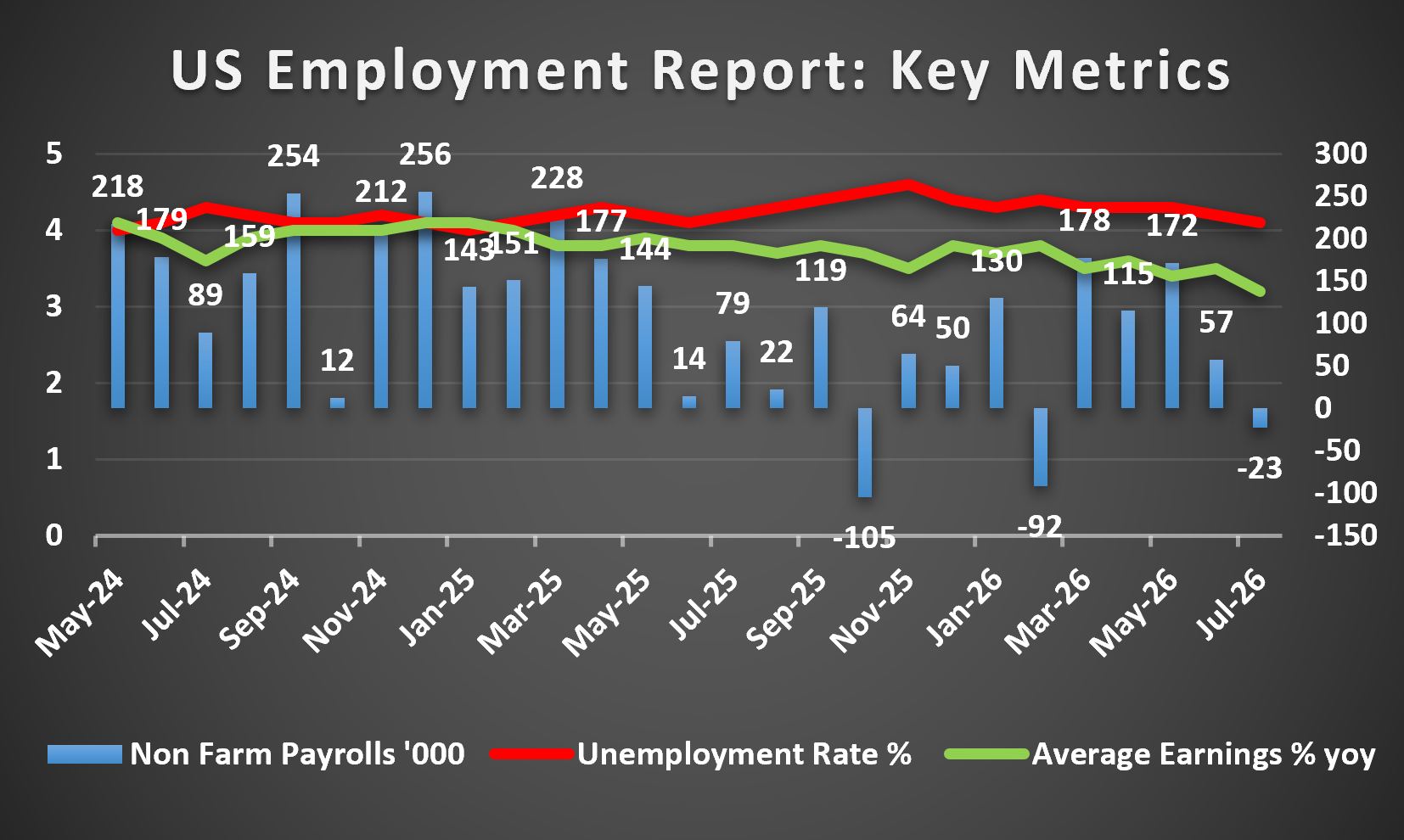
USD – August’s employment report to shake the USD
The upcoming speech of Fed Chair Warsh, later today, is expected to provide some further clues about the Fed’s intentions.
In the coming week we highlight the release of the US employment report for August, next Friday. Worries for the US employment market were somewhat enhanced as in the past month the NFP figure unexpectedly dropped into the negatives.
In next week’s release the NFP figure is expected to be in the epicenter of attention for the markets and should the actual figure fail to reach the market’s expectations, we may see market participants be disappointed. At the same time we also highlight the unemployment rate as another factor affecting the market’s reaction.
Overall should the report show that the US employment market is looser than expected we may see the USD retreating while US equities and gold’s price may get some support.
Conversely, should the US employment report show a tighter than expected US employment market in August, we may see market’s expectations for the Fed to tighten its monetary policy being enhanced and thus providing support for the USD, while at the same time weighing on US equities and gold’s price.
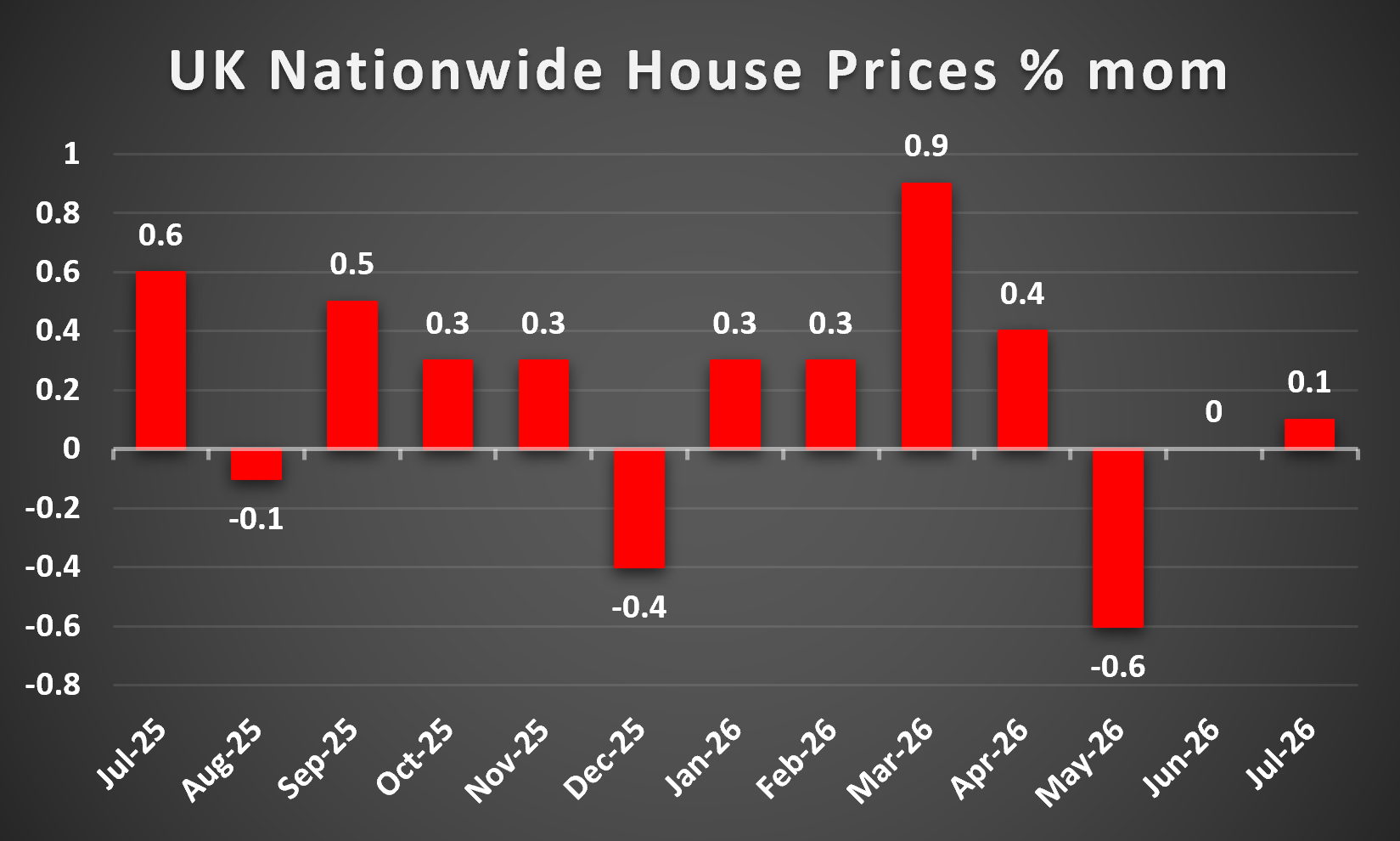
GBP – Fundamentals to lead the Sterling
In the coming week, the calendar is rather empty from UK high impact financial releases.
On a monetary level, market expectations are for BoE to remain on hold in its September meeting, yet a rate hike is marginally priced in currently for the October meeting, providing a slightly hawkish outlook for BoE. Any hawkish signals could provide some support for the pound and vice versa.
On a political level, we note that next week, the UK Parliament resumes its sessions, after the summer holidays, and pound traders will be searching on how the new UK’s Government, under Andy Burnham now, intends to fund its rather ambitious fiscal policy.
Should we see signs of an expansionary fiscal policy being laid upon sound financing plans, we may see the pound getting some support, while a p]possible disappointment could weigh on the GBP.
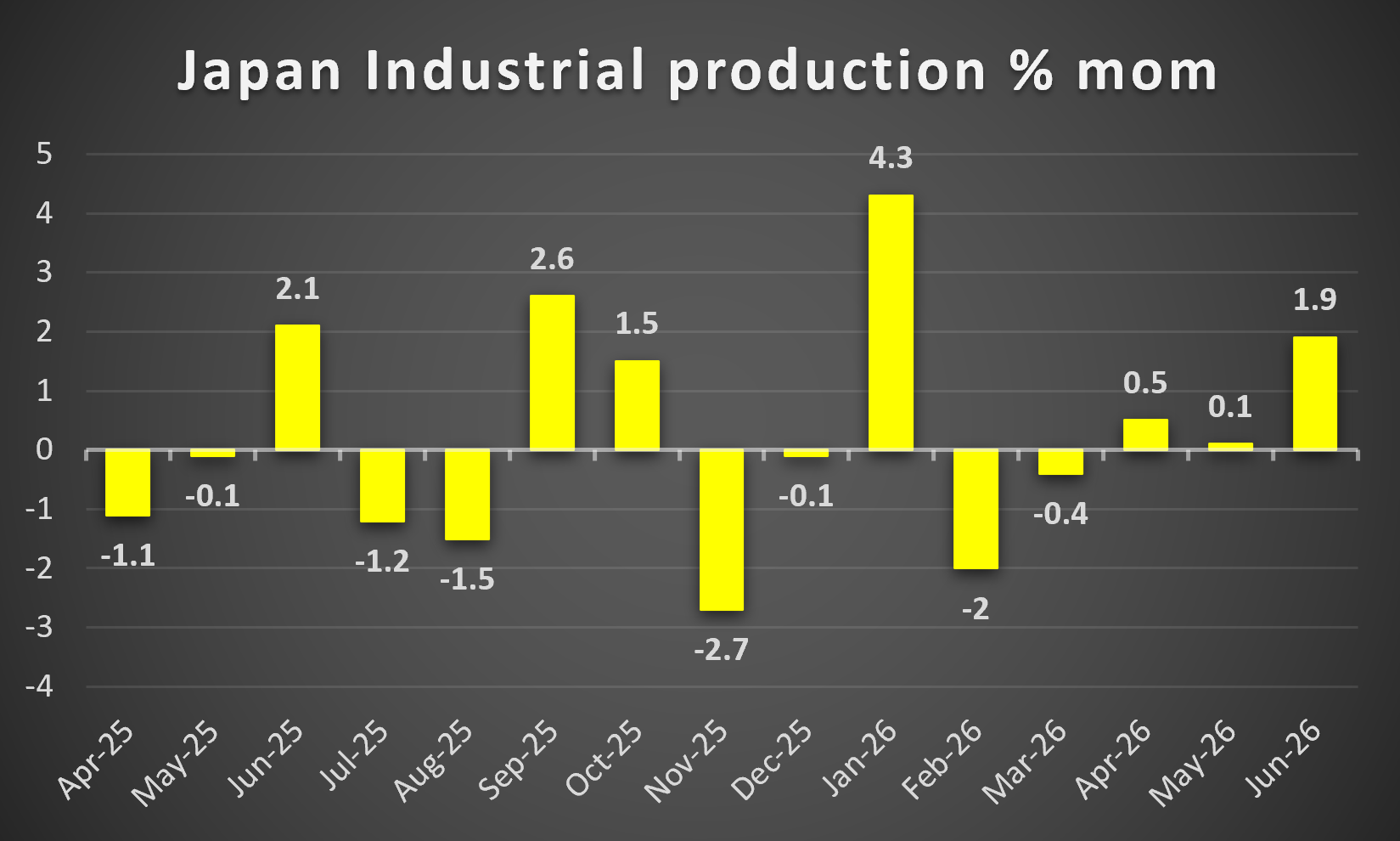
JPY – Fiscal and Monetary Policy Remain at the Epicenter of Attention
The effects of the joint US-Japanese market operation aimed at supporting the yen appear to be holding, at least for now, with JPY maintaining some of its recent strength. On the macroeconomic front, there are no major financial releases scheduled for the coming week, shifting attention primarily toward fundamental developments.
On the inflation front, signs of persistent price pressures remain evident. A weak yen continues to raise the cost of imports, particularly energy products, adding further pressure on the Bank of Japan (BoJ) to tighten monetary policy.
On the monetary policy front, the BoJ Deputy Governor recently adopted a hawkish tone, calling for a “timely” rate hike. However, the lack of more specific guidance may limit the impact of those comments. Nevertheless, expectations for a rate hike at the September meeting could continue to build, with such a scenario already partially priced in by the markets.
We will therefore be watching closely for any additional hawkish signals from BoJ policymakers in the coming week, as these could provide further support for the yen.
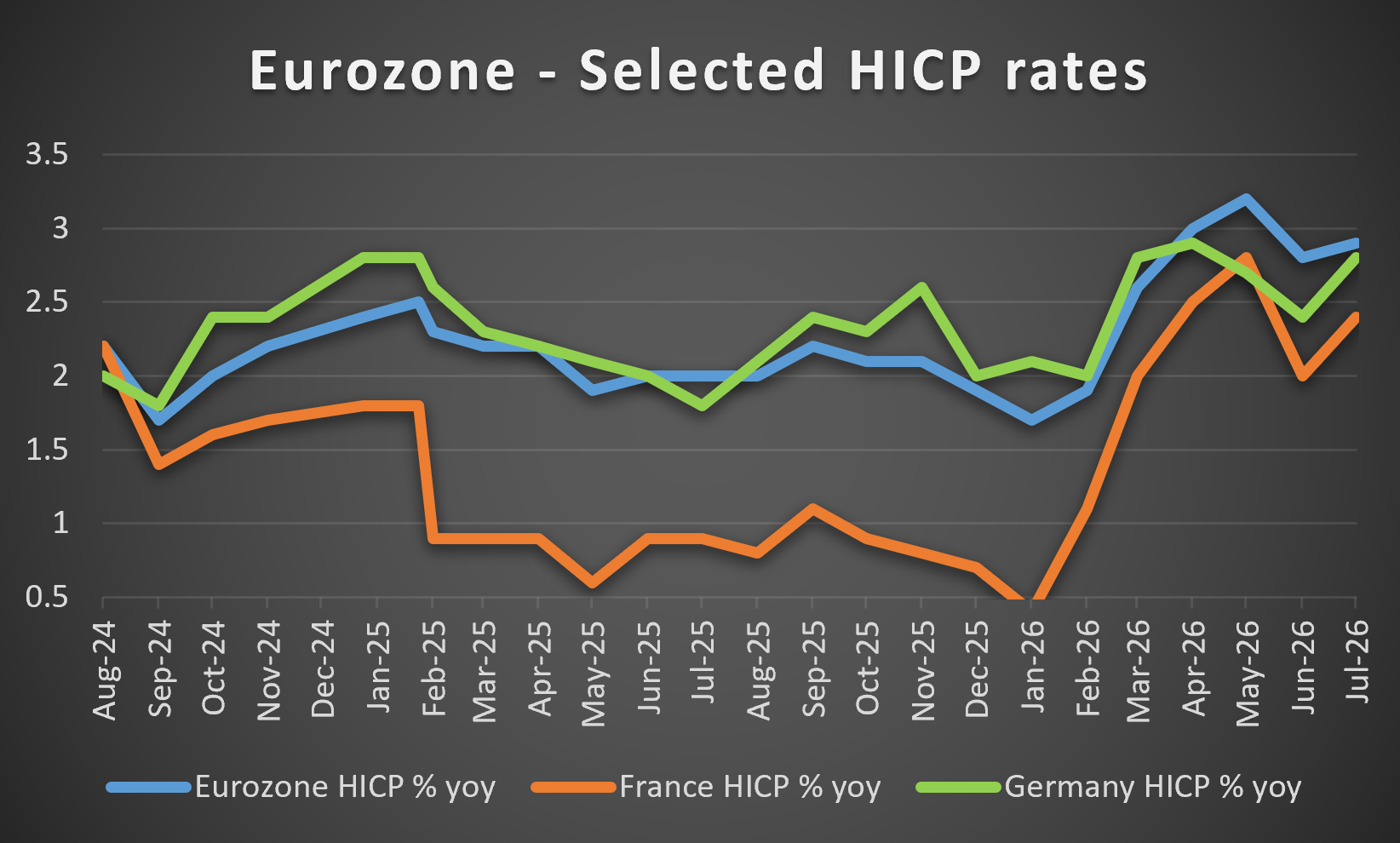
EUR – August’s preliminary HICP rates in focus
EUR traders in the coming week are expected to keep a close on the release of Germany’s and the Euro Zone’s preliminary HICP rates for August on Monday and Tuesday.
Euro Zone’s HICP rate is expected to accelerate to 3.3%yy if compared to July’s 2.9%yy. A possible acceleration beyond market expectations given also the elevation of oil prices during August, we may see the single currency getting some support.
The release gains on importance given the release of ECB’s interest rate decision on the 10th of September. The ECB is widely expected to hike rates and a possible wider than expected acceleration of the HICP rates could also enhance the market expectations for a tougher stance from the ECB and another rate hike in the December meeting.
For the time being worries for inflationary pressures in the Euro Zone seem to run high, given high oil prices, as shown by the account of the July monetary policy meeting, released yesterday.
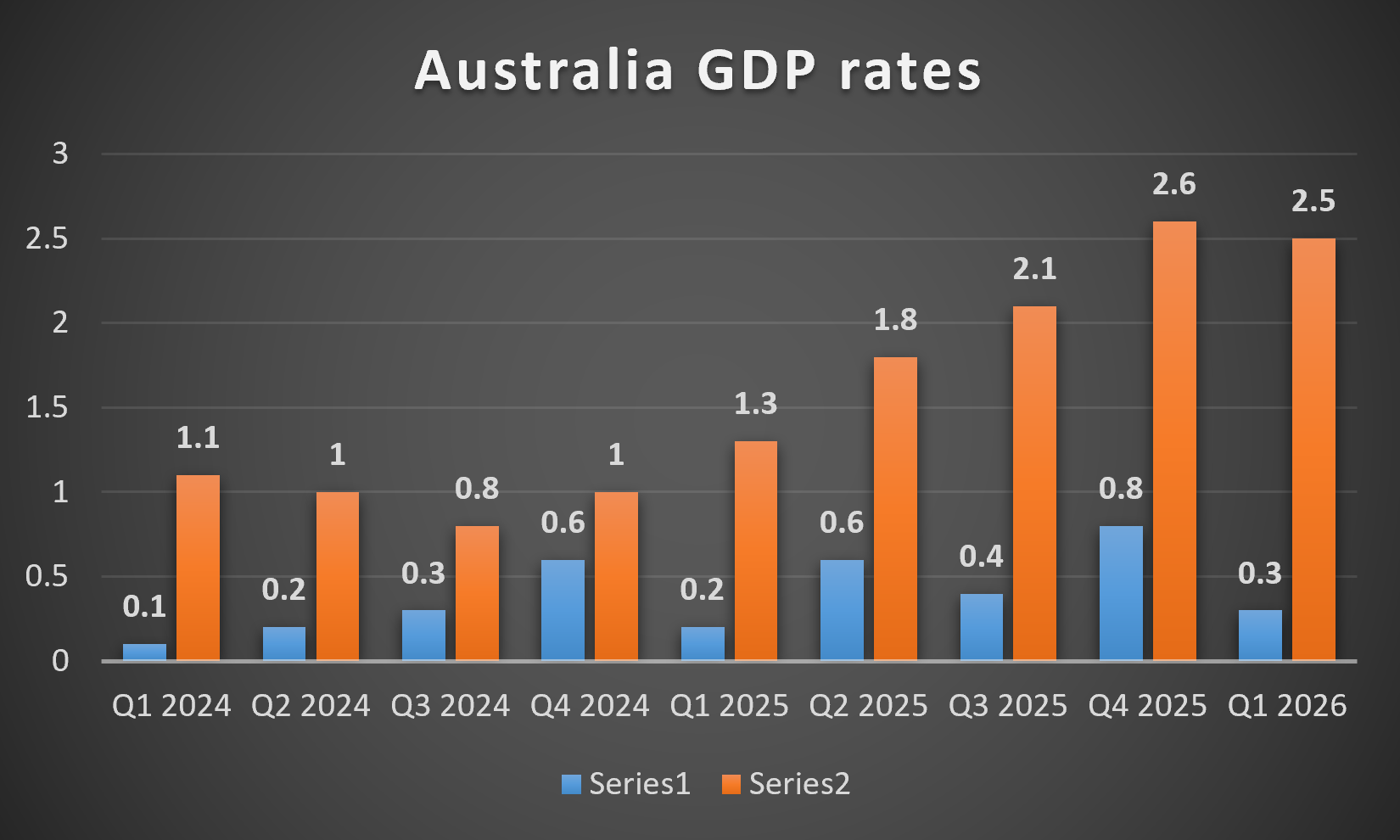
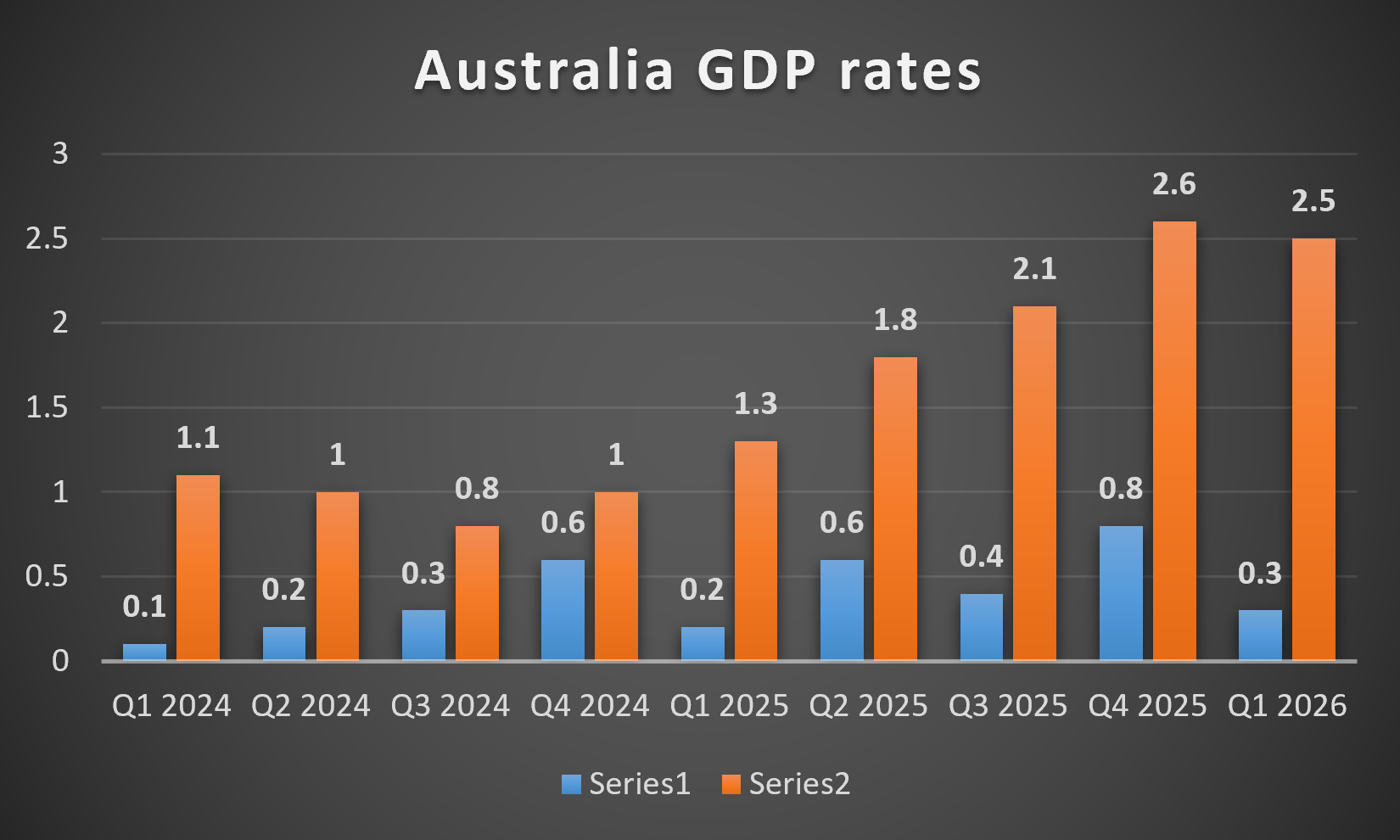
AUD – Q2 GDP rates in focus
With Australia’s CPI rates allready out and slowing down, yet less than expected in July, market worries for inflationary pressures in the Australian economy were allowed to persist.
On macroeconomic level, we note in the coming week the release of Australia’s Building approvals for July on Tuesday and trade data for the same month on Thursday yet consider as a highlight the release of Australia’s GDP rates for Q2 on Wednesday.
The release is to show the growth rate of the Australian economy in the past quarter and should it accelerate beyond market expectations we may see the Aussie enjoying some support.
On a monetary level, we note the release of RBA’s August meeting minutes revealed the bank’s hawkish intentions as the document showed the readiness of the bank to tighten its monetary policy further should the upside risks for inflation be materialised.
Overall we see the case for RBA’s stance to be supportive for the Aussie given the market’s expectations for the bank to hike rates in its next meeting. We flag the speech of RBA Assistant Governor Kent next Thursday for any indications regarding the bank’s intentions.
On a deeper fundamental level, we high light the market’s perception of Aussie being of a riskier nature in the FX market given its quality as a commodity currency, and any improvement of the market sentiment could carry AUD higher and vice versa.
CAD – BoC’s interest rate decision to rock the Loonie
The Loonie is about to end the week relatively lower against the USD.
On a fundamental level the deterioration of the US Canadian trade relationship weighs on the Canadian macroeconomic outlook thus weighing on the Loonie. Any deterioration of the US-Canadian trading conditions, say for example additional tariffs could lower the Loonie further.
On a monetary level we highlight the release of BoC’s interest rate decision on Wednesday. The bank is expected to remain on hold currently, hence we expect to turn our attention towards the bank’s forward guidance.
Should the bank sound more hawkish than expected, we may see the Loonie getting some support, as the market may have to readjust its expectations for the bank to remain on hold until the end of the year.
On a macroeconomic level, Canada’s Q2 GDP rate is still to be released as these lines are written, and in the coming week we highlight the release of August’s employment data.
Market focus may be on the employment change figure, after July’s stellar 75k, while the unemployment rate dropped to 6.4% in July, a one year low. A possibly hotter than expected report could allow for CAD to gain some support.
免责声明:
本信息不被视为投资建议或投资推荐, 而是一种营销传播. IronFX 对本信息中引用或超链接的第三方提供的任何数据或信息概不负责.


